Designing with Western Hemlock: Six Practical Tips for Furniture Makers
Western Hemlock offers furniture designers and manufacturers a versatile alternative to heavier hardwoods, combining light weight, strength, workability, and a refined finishing surface. For furniture applications where appearance, handling, durability, and production efficiency all matter, the species can offer a practical and design-forward material choice. Here are six things to keep in mind when working with Western Hemlock.
1. Make the most of its strength-to-weight ratio
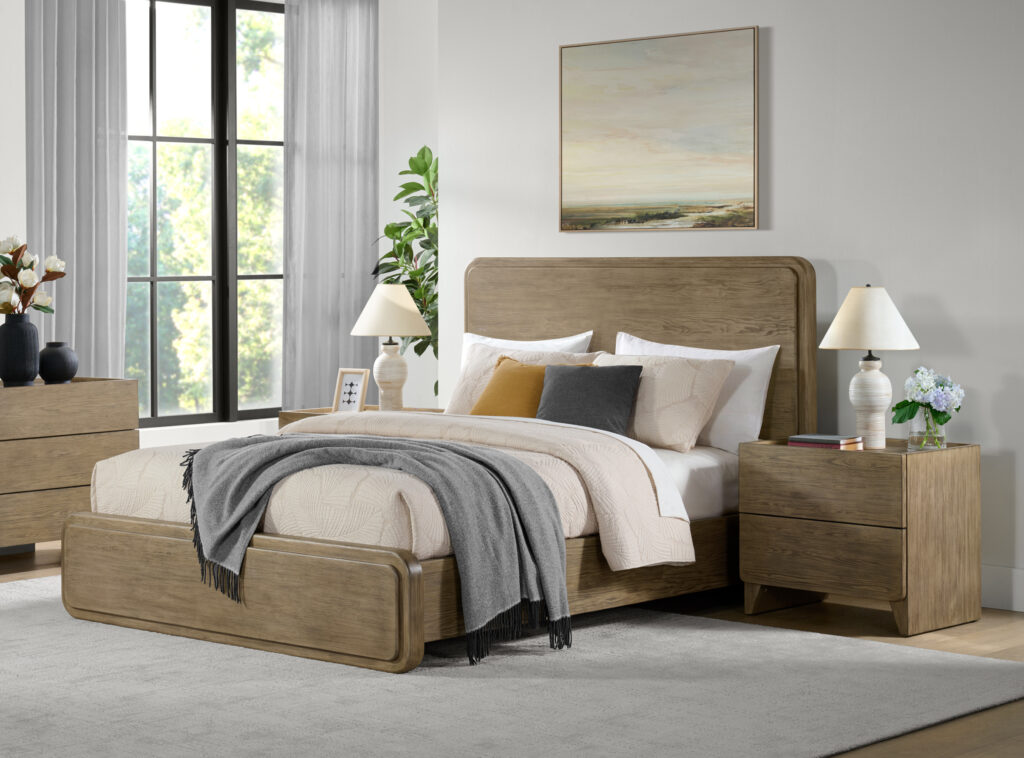
One of Western Hemlock’s most valuable qualities is its ability to offer strength without unnecessary bulk. Compared with some hardwoods, it is significantly lighter, which can make a noticeable difference in furniture that needs to be moved, handled, installed, shipped, or used every day. This is especially useful for chairs, tables, storage units, and other pieces where weight affects both production and the user experience. Larger units and modular pieces can all benefit from a material that is easier to transport, install, reposition, and use. For commercial, residential, and hospitality furniture, that reduced weight can improve both manufacturing efficiency and everyday functionality.
2. Optimize conditioning and testing before fabrication
Like all hardwood and softwood species, Western Hemlock performs beautifully when it is properly conditioned for the shop environment and end use. Makers who are more familiar with dense hardwoods may find that the species responds differently during early trials, particularly in assembly and joinery. Taking time to understand moisture content, acclimatization, and shop conditions can lead to better results. Once the material is well prepared, its combination of light weight, workability, and structural confidence can really come through in finished furniture. Collaborate with a stain and finishing specialist to refine color, tone, and surface quality.
Western Hemlock can support different design outcomes depending on the grade selected. Clearer grades are well suited to refined, contemporary pieces where a smooth and even surface is desired. Knotty grades, by contrast, can bring warmth, natural variation, and a more expressive visual character.
3. Use grading strategically for desired results
Western Hemlock can support different design outcomes depending on the grade selected. Clearer grades are well suited to refined, contemporary pieces where a smooth and even surface is desired. Knotty grades, by contrast, can bring warmth, natural variation, and a more expressive visual character. Rather than treating grade as only a technical specification, furniture designers can use it as a design tool. The right grade can help determine whether a piece feels minimal, rustic, architectural, or more naturally textured.
4. Explore its finishing range, workability and flexibility
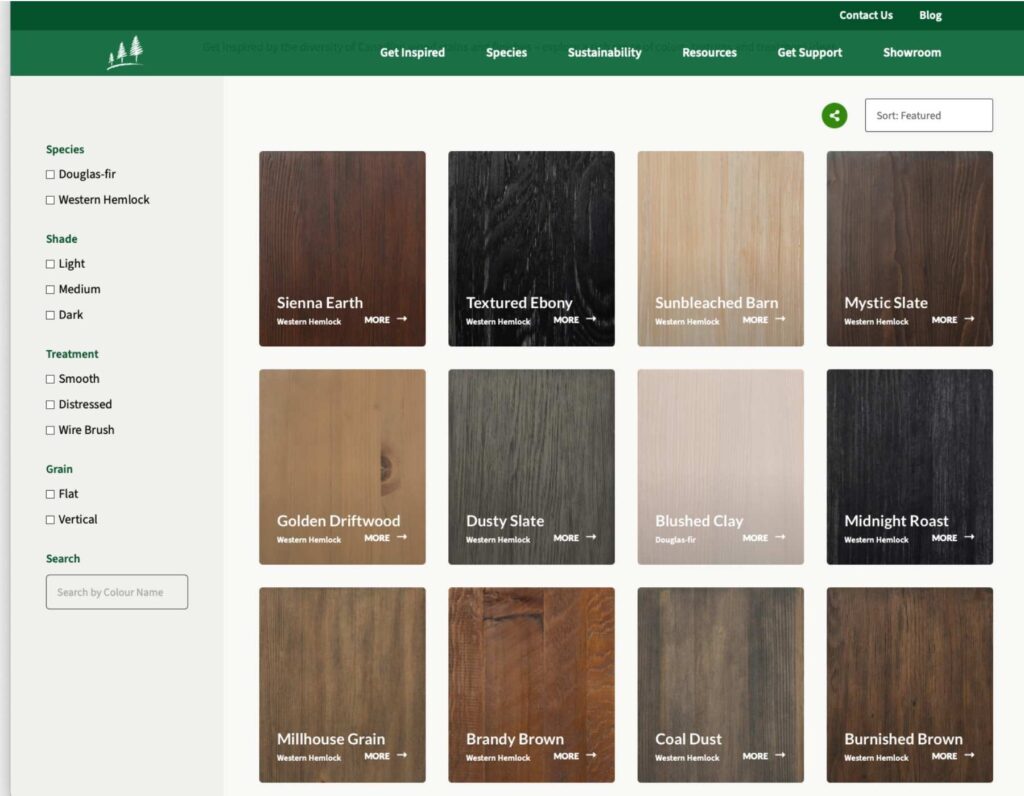
Western Hemlock’s uniform light color and subtle grain make it highly adaptable to a wide range of finishes. It can support light, neutral, and contemporary looks, as well as warmer and more textured looks. This flexibility is especially useful for designers who want more control over final color and tone. Unlike some light-colored softwoods that can read too yellow or uneven under certain finishes, Western Hemlock can achieve a refined and consistent appearance when the right finishing system is used. To explore more stains and finishing options explore our Stains & Finishes Gallery.
5. Take advantage of its strong joinery potential
Western Hemlock can perform well in furniture applications that depend on strong, stable joints. With proper conditioning and assembly methods, it can be used for pieces that require confidence in structure, including seating and table bases. This makes it a useful species for manufacturers looking to reduce weight without giving up durability. Its combination of workability and joint strength can support both simple forms and more expressive furniture designs.5. Explore its finishing range, workability and flexibility
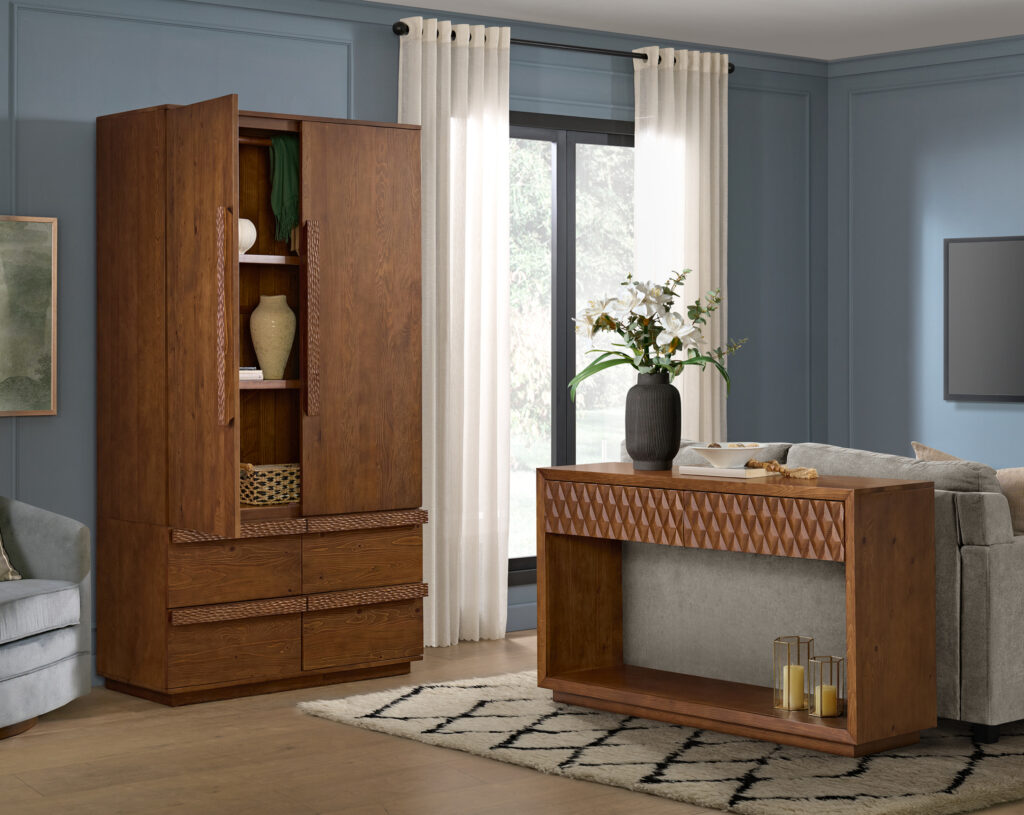
Western Hemlock’s pale color and subtle grain make it highly adaptable to a wide range of finishes. It can support light, neutral, and contemporary looks, as well as warmer and more textured looks. This flexibility is especially useful for designers who want more control over final color and tone.
6. Approach it as a material with its own design potential
Western Hemlock is a versatile softwood that can deliver a wide variety of looks and match the appearance of various hardwoods. With the right approach to grading, conditioning, joinery, and finishing, it can become a refined and highly capable furniture material. For designers and manufacturers, the opportunity lies in understanding what the species does well: it is workable, versatile, lighter than many hardwoods, and capable of taking a range of stains and finishes. Used thoughtfully, Western Hemlock can support furniture that is durable, elegant, efficient to produce, and flexible in design expression.
About Canadian Wood
Canadian Wood is part of Forestry Innovation Investment (FII), a Crown agency of the Government of British Columbia, headquartered in B.C., Canada, with satellite offices in Vietnam and India. Through market development programs, Canadian Wood promotes and supplies information about softwood products from British Columbia to wood industry professionals, and connects furniture manufacturers, designers, and wholesalers with leading softwood suppliers from B.C.
Try Canadian Wood
Looking for the right grade and wood species to achieve the desired design, color and appearance for your next project? To help you better understand the color and overall appearance of Canadian softwoods, Canadian Wood offers small wood samples for you to work with. Contact us to find out more.